

What You Need to Know About FAFSA’s New Identity Verification
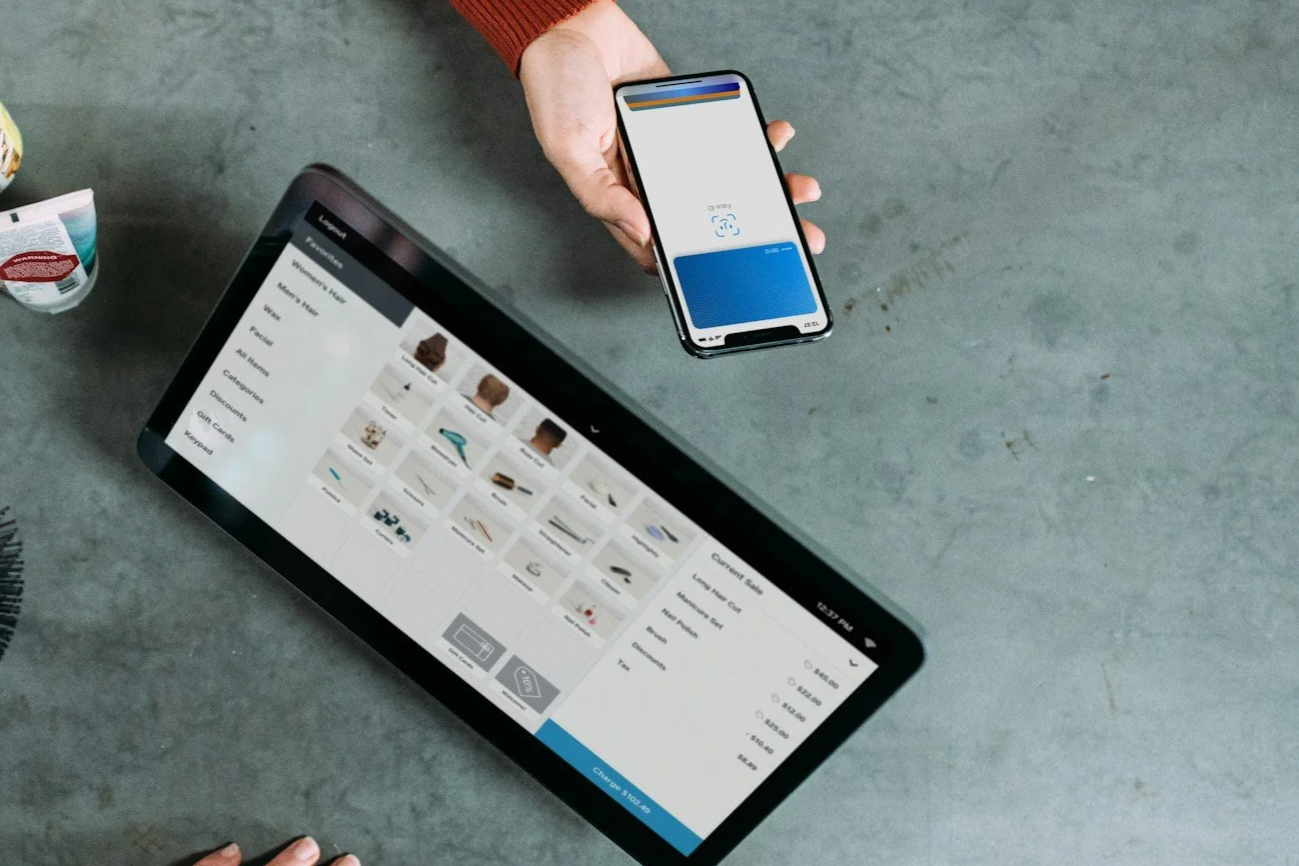
Ready to file your FAFSA? Have a charged cellphone and government ID ready!
The New FAFSA ID Check: What Families Should Know Before They Log In
If you're gearing up to file the FAFSA this year, there's a new step in the process worth knowing about before you sit down at the computer. Beginning in April 2026, the Department of Education built a real-time fraud detection system directly into the FAFSA. Every submission is now screened automatically; most families won't notice a thing, but a small number will be asked, on the spot, to prove who they are.
How the screening actually works
As soon as a student submits the FAFSA, an automated system scores it for identity fraud risk: "low," "moderate," or "high." The Department hasn't published exactly what triggers a "high risk" score, so there's no reliable way to predict it in advance. Students who land in the "low" or "moderate" categories continue through the normal process with no extra steps, no extra documents, and no delay; this should cover most applicants.
Students flagged as "high risk," on the other hand, are prompted immediately, in that same session, to complete a live automated camera check using a smartphone or tablet and to present one valid piece of government-issued identification. If the check succeeds, the FAFSA is sent to colleges as usual and nothing further is required. If it fails or isn't completed, the submission is rejected, and the student must contact each college's financial aid office directly to finish verification in person.
Why we tell every family to have an ID within reach
Here's the piece that actually matters for your planning: if a student is flagged, the verification window is short, and it cannot be paused and resumed later. There's no option to finish the FAFSA now and come back with an ID tomorrow. An incomplete check simply results in a rejected submission, which then has to be sorted out manually with the college(s), adding real delay right when you're trying to lock in an aid offer.
That's why we recommend every student have valid, current identification and a smartphone or tablet with a working camera (fully charged) within reach whenever they sit down to submit the FAFSA, even if they never expect to be flagged. Accepted documents right now include a driver's license, a U.S. passport, a tribal identification card, or a permanent resident card. A state-issued non-driver ID card and a learner's permit aren't officially on that list yet, though indications in other Department of Education documents suggest they'll be accepted.
If your student doesn't drive and doesn't have a passport, we recommend applying for a state-issued non-driver ID as soon as possible rather than waiting for confirmation; many states require in-person applications, and getting the card back can take up to a month. We keep links to each state's application process on our website at college-matters.com/stateid.
A few questions we're hearing from families
Will every student have to go through this? No. Only applicants scored "high risk" are asked for a live ID check, and since the Department hasn't disclosed what raises that score, we're simply suggesting every family treat the ID and device as standard prep, not just the students they'd expect to be flagged.
Does this delay financial aid for most people? No. Applicants who aren't flagged, or who verify successfully, move through the normal timeline. Delay only shows up for the subset who fail or skip the live check and have to loop back through their college's financial aid office.
Where can we get the most current, official word? StudentAid.gov is the authoritative source, and the Department has continued to update its guidance since the April 2026 launch. If your student does get flagged, the fastest path to resolution is always the financial aid office at the specific college(s) in question.
If you'd like help thinking through the FAFSA, financial aid timelines, or any other part of the process, from freshman year on, we're happy to talk it through with you. Reach out to College Matters whenever you're ready.