


BLOG
Tips for the College-Bound Homeschooler
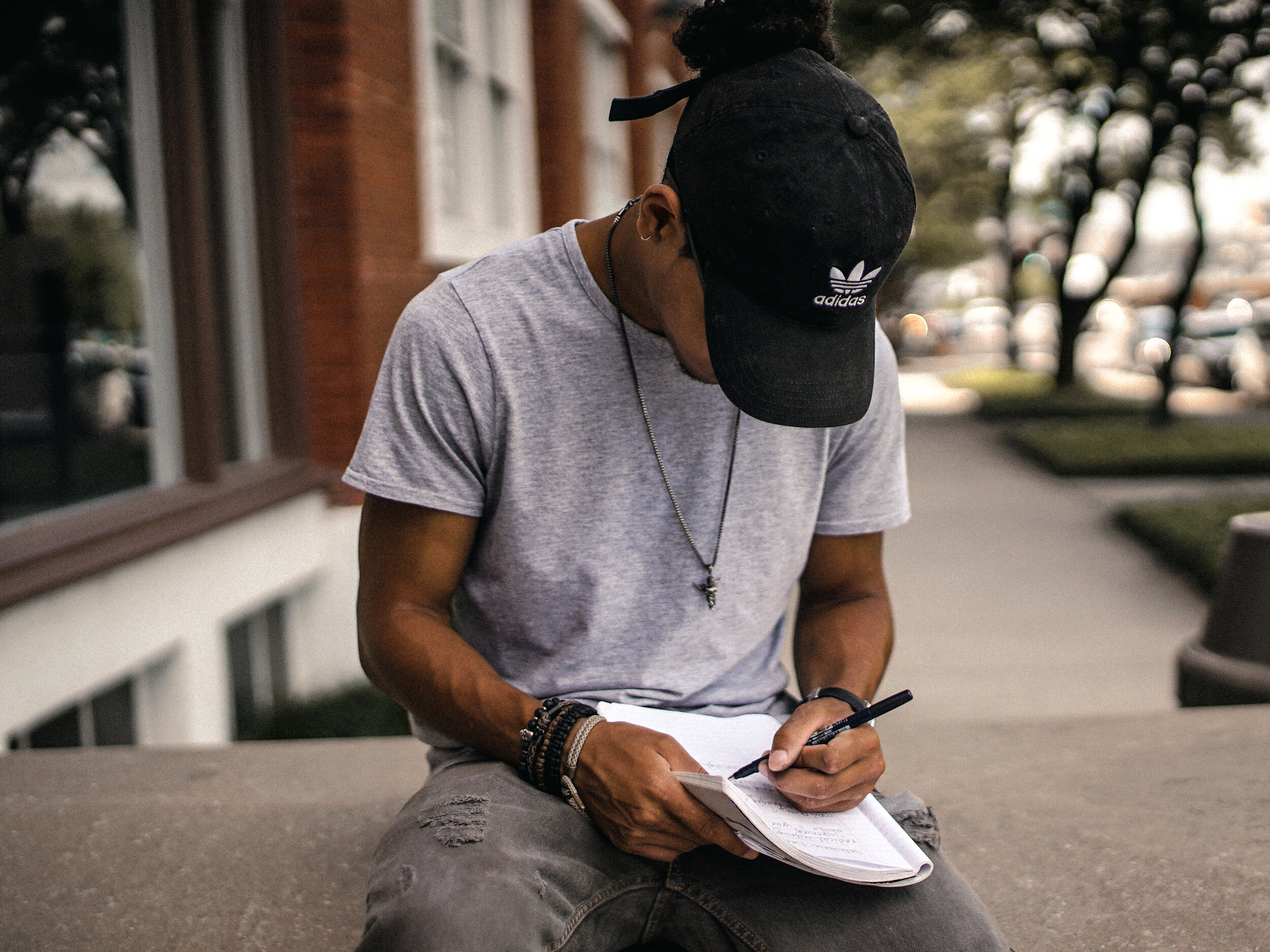
Thinking about homeschooling your high school student? We’ve been working with homeschooled students for over a decade. Here are some thoughts to get you started.
Most colleges welcome homeschoolers. Their academic records are often strong, they are frequently more mature, and they are distinctive and therefore add to the diversity of the institution.
Colleges will require letters of recommendation from a home-schooled student. Generally, the parent (or primary instructor) will write the principal/guidance counselor letter for the student. Most colleges also recommend that the student submit two outside letters of reference. If a student has taken college courses, asking those professors would be appropriate. Additionally, a letter of recommendation from a community organization, or a private instructor for music, language, or science could also be an appropriate choice.
College reps are sometimes hazy about admission requirements for homeschoolers; it pays to double-check with the homeschool expert in the admissions office. Many colleges offer a separate section with homeschool guidelines on their website.
Colleges expect homeschoolers to have studied the same subjects with the same rigor expected of other students. There are canned homeschool curricula, but students don't necessarily have to follow them. AP courses are offered online as are other college-level courses.
Many colleges expect a portfolio from a homeschooled student. While there's no standard, common expectations include a transcript (issued by the school district or some other authority), course syllabi (descriptions, texts read, scientific experiments conducted), sample academic papers, outside reading list. Colleges are asking homeschooled students to provide concrete evidence of what they’ve done academically, and to include information that will help colleges know the student in other ways.
Colleges want outside confirmation of students' abilities. Hence standardized tests may carry more weight. They may require tests (e.g. SAT II) or an interview, requirements that would be optional for other applicants.
States vary in regulations for homeschooled students. It's a good idea to include a copy of your state's regulations with the application.
Some homeschooled students choose to take the GED since many colleges already accept it and are familiar with how to evaluate it. Other families reject taking a GED on principle: their student is not a high school dropout after all! Many home-school organizations grant diplomas, so that can be a route to explore as well. That being said, we have worked with many successful college applicants that do not have a high school diploma.
Enrolling in courses at a community college or in a college summer program can demonstrate how well a homeschooled student can perform in college-level coursework. They can also introduce students to learning environments they'll encounter in college.
While we have found quite the opposite, the bias seems to still exist that homeschooled students must lack social skills. Therefore, colleges may look for good socializing experiences on the student’s resume. They want students who can interact well with peers and non-family adults, who know about and can respond to competition (often absent from a home-school setting) and who can adjust to being one of many (compared to the 1:1 of most homeschool instruction.)
Because there's no school guidance office with established procedures, homeschool families have to be vigilant and thorough in pursuing the process and checking that applications are complete.
What is the Difference Between A College and A University?

It is a tough question to answer because, in the United States at least, the two terms are often used interchangeably.
“Colleges are smaller!” “Universities award graduate degrees.”
While those statements are often true, there are many exceptions to the rule. Dartmouth College has four graduate divisions and over 6,000 students. Soka University of America has a student body of just over 400 and one very small graduate degree offered.
Frequently, parents that have been educated outside of the US equate the term “college” with a less competitive institution or junior college program, as is the case in their home country. This is not the case. Some of the most selective and highly competitive institutions in the US are small liberal arts colleges.
Our advice? Forget the term and do some digging into the institution’s programs, philosophy, and culture. Otherwise, you’re likely to miss out on a perfect match for you!
Being Educated Doesn’t Just Mean Going to School

Though Covid-19 has significantly impacted many students academically, it has not limited the number of resources available for students to learn on their own. In a College Matters workshop this past spring, our team talked about how an increasing number of competitive colleges are asking applicants to show they are intellectually curious outside of the classroom. This doesn’t mean they are gauging how many extra math problem sets you’re doing. Rather, they are interested in what you are genuinely curious about when you have free time.
Apps like Netflix, Spotify, and YouTube give us more access to content than ever before. Devices like Kindle give us entire books in an instant. Our team highly recommends that students take full advantage of these resources to go beyond what they learned in class or to learn something completely different from traditional academia.
There is no one specific piece of content that colleges are looking for. The key is that you are truly interested in and invested in whatever you choose to consume. Reading the entire article is better than reading a collection of tweets. Go for depth rather than breadth.
Demonstrating intellectual curiosity doesn’t have to take up your entire day. You can make it fit into your life. Listen to a podcast interview with your favorite celebrity during your next car ride. Subscribe and follow sites that have interesting articles. Start each day by taking a few minutes to read those articles. Instead of scrolling through TikTok for the 20th time, take a break and order the new book you’ve been hearing about. Pick a documentary on Netflix or YouTube next time you’re browsing for something to watch. Learn to crochet, tutor a neighbor, take a tour of a museum virtually, research your family genealogy.
Once you make engaging with new material a habit, you will notice yourself become more thoughtful and aware. Instead of saying you heard about something, you can actually have a real discussion on the topics that are important to you. This is exactly what colleges are looking for! Don’t forget to make a list of everything you’re listening to, reading, and watching. You’ll be amazed at how long your list becomes over time.
Tips for Virtual Learning Success

“It’s just for a couple of weeks!” So we thought last spring with the shift to online learning. Students, families, teachers, and districts did their best, thinking that it was only temporary. Now we know, virtual learning, in some form or another is here to stay.
Now, it’s back to school time and most of our students are starting the year with some form of a hybrid model. And they know that they may be fully online again sometime soon.
Like it or not, virtual learning is here to stay. So, here are some tips to start the school year on top of your virtual learning game:
Set a daily schedule. Allocate study time, breaks, and meals. Move around and get outdoors when possible.
Put social media breaks into your day. But keep your phone out of your study space.
Carve out a study space that is quiet and as distraction free as possible.
Practice structured procrastination. Get the easy, quick tasks out of the way before you tackle the harder items on your list.
Utilize technology. Online calendars, time trackers, and social media blockers are a godsend for some!
Take notes. Yes, you may be able to go back to a recorded lecture, but the act of taking notes can help you build a stronger connection with the source text and retain and mold the idea much better.
Make it interactive. Turn on your camera when in an asynchronous class. Form an online study group.
Ask for help. Many teachers say that in the online format, it’s harder to determine if a student is confused. Don’t be afraid to speak up.
Take care of yourself. Virtual learning is different… and can be stressful. If you are struggling, say so. And don’t feel like you have to go it alone. There are lots of us here to support you.
Extracurricular Planning in the Time of COVID-19

You’ll still be juggling your extracurriculars… but maybe in a new way.
In a recent discussion, when asked about the role of extracurriculars in evaluating pandemic applicants, a college admission dean quipped, “Doing nothing isn’t an option.”
We couldn’t agree more!
For some students, doing something means helping keep their household running: watching younger siblings or aging grandparents while their parents are at work, making meals, or working to help supplement family income. But many students are fortunate to have had minimal disruptions to their way of life. Now, I’m not minimizing the loss of time with friends, cancellations of athletics and clubs, and increased anxiety about the future. Those are certainly real!
But we’ve found that the students that are thriving in this time have adopted the outlook that in loss there is opportunity. They are taking control of an uncontrollable situation through action. Doing what, you ask? Here are a few ideas:
Adopt a grandparent. Our seniors are suffering from the same isolation that you are!
Volunteer at your local food pantry. The pandemic has only exacerbated food insecurity for many.
Get out the vote. Or make phone calls for your favorite politician.
Help out at a local community garden or adopt a nature trail for upkeep.
Get involved in crowdsourcing. Lots of researchers rely on community volunteers.
Tutor a neighborhood kid who is struggling.
That’s just the tip of the iceberg! Still stumped as to what to do, give us a call! We’re here to help!
College Essays... No Peeking!

Every year toward the end of the summer, the New York Times publishes sample college essays. I assume that they are looking to inspire rising seniors to begin writing their college essays if they haven’t already started; maybe reading others’ work provides a nudge to get going. Other colleges, like Tufts University, Johns Hopkins, and Connecticut College, post essays on their websites from prior application cycles that they have found especially compelling. Honestly, if you were to google “sample college essays,” you would probably find an endless supply of personal stories at your fingertips. Why not take a look for inspiration?
What we have discovered is the very act of reading other essays for inspiration often inhibits a student’s creativity. They consciously or subconsciously replicate what they have seen. It isn’t that they are necessarily copying an idea or plagiarizing text, but they tend to fit their idea into a structure, format, or theme that they have already read. After all, we are often patternmakers. Once we see something, we cannot unsee it. In the admissions process, the last thing you want to be is a carbon copy of anyone else. So, I encourage you to trust your own creativity and turn a blind eye to the “essay that worked.”
NCAA Makes Significant Update to Eligibility

The NCAA recently made a major decision to no longer require a standardized test to become NCAA eligible for the 2021-22 academic year. Per NCAA.org, here are some other updates to eligibility:
“Student-athletes enrolling in a Division I school during the 2021-22 academic year will be academically eligible by earning a 2.3 grade-point average in 16 NCAA-approved core courses, with 10 core courses (seven in English, math and science) completed by the start of their seventh semester in high school (prior to senior year).
Student-athletes enrolling in a Division II school during the 2021-22 academic year will be academically eligible by earning a 2.2 grade-point average in 16 NCAA-approved core courses.”
The decision came after students and parents cited significant challenges in securing test dates and managing test cancellations due to COVID-19. Be sure to keep up with our emails and our blog for the most up-to-date information on testing.
"I Never Check My Email": A Cautionary Tale

“I never check my email!” is a refrain we hear all too often from students. They generally use social media and texting to communicate with family and friends. However, it’s essential to know that colleges will use email to communicate with prospective applicants and accepted students! They will use email to track and gauge a prospective student’s interest in their institution. Has the student opened the emails sent by the college? When and how often? They will use email to communicate if anything is missing to complete a student’s application. They will notify students of valuable information about events, registration, housing, financial aid, and a multitude of other things via email. They may even inform their applicants of acceptance, deferral, or denial by email.
So, here’s some advice: high school students should set up an email by junior year to use for all college-related communication. Don’t use a school email as there are often security firewalls that may prevent messages from getting through. Additionally, students won’t have access to their school emails after they graduate. If possible, choose an email that incorporates the student’s name, and that is appropriate for the young adult world of colleges, internships, and job searches, one to use for many years to come. Ditch the one that refers to a personal trait or cute nickname.
And then start getting in the habit of checking that email often!
Helpful Steps to Improve Your Test (and Other) Performances

The College Matters team recently attended the virtual conference for the Independent Educational Consultants Association. The conference had dozens of interesting topics, and one that particularly stuck out to us was a lecture from performance coach Dr. Ben Bernstein on how students can curb their anxiety to perform their best. We often listen to students say they are particularly anxious for important exams, games, or performances. While Bernstein says some anxiousness can be beneficial for people to perform their best, being overanxious can have a significant impact on performance even when a person is totally capable of doing well.
According to Bernstein, you should think of your performance as a three-legged stool. He calls these legs the Pillars for Performance. When one leg is unstable, the whole stool becomes unstable. When all three legs are working, the stool (your performance) becomes very sturdy. The first pillar is being Calm. Have you ever noticed when you’re stressed that you get shortness of breath or even forget to keep breathing? This is your body going into fight, flight, or freeze mode. Bernstein says consistent and deliberate breathing during a performance is one of the easiest ways students can stay calm. Students should also stay grounded. Have your feet connected to the floor and let gravity push you down. We tend to tense up our bodies and our shoulders when we’re stressed instead of relaxing and staying grounded. The third way to stay calm is to do what Bernstein calls sensing. Let your eyes rest for a few seconds. Engage your other senses. You should always be using at least two of your senses so that you can tune out of your head and tune into where you are.
His second pillar is Confidence. To be confident, you first need to confide in yourself. Be honest with yourself—what is it that you’re truly feeling negative about in relation to this performance? Once your problem is out in the open, it’s time to squash your doubt. Reflect and state a true positive success that you’ve had in this area. For example, if you’re taking the SAT and feeling anxious about a particular math section, reflect on a time where you worked on these exact same problems and were successful. If you did it then, you can do it now. Now that you know you can do it, envision in your mind the small steps you’ll need to take to go from a negative state to a positive state. Envision yourself being successful and that will breed confidence.
Bernstein’s third pillar is Focus. To focus, you should have a goal or target. This goal should be yours and no one else’s. Why are you doing what you’re doing right now? What are potential distractions on the way to this goal? Envision yourself trying to reach your goal with those distractions. Ask yourself, will those distractions help you reach your goal? The answer is always no. Then stop the distractions right then and there and start listening to the voice inside you that will tell you exactly what you need to do to get on track. See yourself listening to those directions. Push yourself to take those directions that you know are good for you.
So there you have it. The three Pillars for Performance are Calm, Confidence, and Focus. If you’ve done the proper practice and preparation leading up to your performance, you can perform up to your potential. This means not only doing the practice problems/exercises/run-throughs but also practicing these three pillars again and again so it becomes natural in crunch time. These strategies can certainly help in many areas outside of testing and games to help us feel better. Remember it’s good to be a little anxious. It means you care about what you’re doing. When it gets to be too much, make sure you’re aware of that and use Bernstein’s tools to get on the right track.
IECA Statement on Standardized Testing: Enough is Enough
Our College Matters counselors are proud members of IECA. This past week, IECA’s Board of Directors (of which Betsy Morgan is a Vice President) made a statement on standardized testing:
CALLING ON COLLEGES AND UNIVERSITIES TO PERMANENTLY ADOPT TEST OPTIONAL ADMISSIONS POLICIES
We support congratulate IECA for taking a strong stand in support of all students and families.
Here is a snippet:
“Enough is enough.
IECA is calling on colleges and universities to embrace this opportunity to become more equitable and reduce barriers by becoming test-optional on a permanent basis for admissions consideration and in the awarding of merit aid, thereby increasing fair and equal access to higher education for all students. IECA is further calling on colleges and universities to allow self-reporting of test scores in order to reduce the financial burden on students.
The time is now to remove barriers, not just for the high school Class of 2021, but for all future college applicants.”
Have a question for a future “Ask the Consultant” post?
IN the Archive
- 5 Reasons 13
- Affordability 23
- Application Tips 11
- Ask the Consultant 52
- Athletes 6
- Career 7
- College Decisions 9
- College Visit 24
- Essay Writing 26
- Events 1
- Gap Year 3
- Grad School 8
- In the News 18
- Interviews 8
- Learning Differences 5
- Music 1
- News 28
- On the Road Again 6
- Parents 11
- Preparing 148
- Press 2
- Resume 9
- Starting Early 23
- Student to Student 16
- Testing 24
- Transfer 5
- Virtual Learning 2