How Do I Know If My College Application is Ready To Submit?

Before you press send, become the viewer!

Before you press send, become the viewer!

Your application is just about ready to go. But you want to make sure that it’s going to have the right impact! That it’s going to be noticed! What do you do?

I often have my students channel their inner-artist when reviewing each application for admission — even the non-artsy types! What I mean by that is to think about each aspect of your application like a piece of art in a portfolio. Artists talk about cohesion in their work, so should you.

Most college admission officers spend about 10-minutes reviewing an application. That’s it! They rarely look at a piece of the application more than once; one read of the essay, one glance at a resume. One of the biggest mistakes that an applicant can make is to confuse your reader. It’s like putting a DaVinci next to a Warhol!

So, as you review your application (or have someone else take a look), ask yourself the following:

  • Do all of my essays sound like they are written by the same person?

    • Often, in an attempt to be varied and engaging, students try to be something that they are not, and that shows in their writing style and their tone.

  • Am I being consistent with my activities?

    • Did you list theatre as your top extracurricular activity but write an essay about football?

  • Does the intended major that I listed make sense for your activities, transcript, etc.?

    • This can lead to a lot of confusion for an AO!

  • Am I being repetitive?

    • You wouldn’t want to look at the same still life over and over again!!

  • Does my application make sense for that college?

    • They’re not all the same!

  • Is the real me expressed on the page?

The last is the most important one! Your point of view and how you see the world should jump off the page, whether you are a sculptor or a scientist!

Good luck!

5 Reasons to Love The University of Maine

1. LOCATION, LOCATION, LOCATION!

Students sometmes dismiss Umaine as being “too far” or “in the middle of nowhere.” Neither are true. Orono is a cute little college town and Bangor, which is only 15-minutes away offers much more. And for the outdoorsy type, there is hiking, skiing, paddling, and much more all year round.

2. BLACK BEAR SPIRIT

At Maine, it’s all about hockey! And the Black Bears are regulars in the Frozen Four.

Buffalo Chicken Wednesdays also bring out the crowds!

3. SUSTAINABILITY

There a loads of majors for the student looking to study the environment: Earth and Climate Sciences, Ecology and Environmental Sciences, Forestry, Marine Science, Parks, Recreation and Tourism, and Wildlife Ecology. Many concentrations are available in these majors as well.

Fun fact: UMaine is home to the first 3-D printed home in the USA.

4. ENGINEERING

The new engineering building has teaching labs for mechanical engineering, biomedical engineering and mechanical engineering technology.

There is also a 10,000-square-foot multidisciplinary student project design suite with 48 workbenches supported by shops for biomedical, electronics, 3D printing, vehicles, metals, wood and composites.

5. THE PRICE

There are many options for out-of-students to receive comporable tuition to their in state institution! In addition, Maine offers generous merit scholarships and has a very well regarded Honors program.

Can I Use One Essay for All of My Applications?

Myth: I only have to write one essay! All my colleges are on the Common App!

Reality: Many colleges who accept the Common Application require supplemental essays, often including one that prompts, “Why us?” In essence, colleges are asking you to write about what makes you a great fit for their institution and what makes them a great fit for you.  Or they ask you to write additional required essays that still need to be well-crafted and thoughtful.  As we always say, don’t wait until the last minute to investigate what each school requires and plan your time accordingly!


Advice for Creating a STEM Maker Portfolio for College Admission

Robot for Maker Portfolio

Crafting an Effective Maker Portfolio for College Applications

A maker portfolio can be a powerful tool to showcase your creativity, technical skills, and problem-solving abilities to college admissions officers. Here's some key advice to help you create a compelling maker portfolio:

Focus on quality over quantity.

Highlight 1-3 substantial projects that best demonstrate your skills and passion rather than cramming in numerous smaller works. Choose projects that are meaningful to you and potentially have a positive impact on society.

Clearly explain your creative process.

Admissions officers want to understand your thought process, challenges faced, and solutions devised. Use a combination of images, videos (under 120 seconds total), and concise text to walk them through your project development.

Make it accessible.

Remember that both engineering experts and non-technical admissions staff will review your portfolio. Explain your work in a way that's understandable to someone without a strong science background.

Highlight soft skills.

Top STEM schools value qualities like creativity, tenacity, and collaborative spirit. Showcase how your projects demonstrate these attributes.

Be authentic.

Don't feel pressured to create new projects solely for your portfolio. Genuine passion for your existing work is more compelling than a hastily assembled project.

Craft thoughtful responses.

Take time to articulate why your projects are meaningful to you and how they align with your goals. However, don't obsess over perfection – admissions officers understand you're still developing as an engineer.

Consider the format carefully.

Some schools may prefer a single PDF with images and explanations, while others might allow separate image uploads with descriptions. Follow the specific guidelines provided by each institution.

Remember, while a maker portfolio can strengthen your application, it's typically optional. Don't let it overshadow other important aspects of your application. Instead, use it as an opportunity to bring your technical creativity to life and give admissions officers deeper insight into your potential as a STEM student.

Should I Submit an AP score of 3?

AP score report of 3

We get this question from students all the time! They know that a 3 is a solid score and shows mastery of the material in their AP class, but is it worth sending to colleges? And if they don’t send it, will the college assume that they got a 1 or a 2? Like many things in the college application process, it depends!

According to the College Board’s charts, AP score distributions vary widely. For example, fewer than 10% of students taking the AP Literature and Composition or AP Physics 1 scored a 5, while 45% of students earned the same 5 on the AP Calculus BC exam. The numbers are even higher for some of the World Languages and Cultures exams.

The first thing that you should do is check the AP Score credit policy for the colleges that you are applying to. If they will give you credit for the 3, then by all means, report it! On the other hand, if they only give credit for a 5 on that exam (not even for a 4), you may want to hold off.

The other thing to take into consideration is the selectivity of the college itself. As a general rule, the more selective the institution, the more applicants they will have with stellar AP scores. Think about how you will compare and make a call with that in mind!

The bottom line is to remember that a 3 is a very good score! Congratulate yourself for taking on the challenge and doing well!

Do I Need Tuition Insurance for College?

Surprises can happen — so it may be a good idea to have a plan!

Q: The college that my child is attending is offering the option of buying tuition insurance. Is it worth it?

A: Initially, we get quizzical looks from parents when we recommend that they consider purchasing tuition insurance for their first-year college student. “They’ve worked so hard so far, they’re not going to fail out!”

It isn’t that we’ve lost faith in the student’s ability to succeed in college. It is that we have witnessed times when tuition insurance alleviated a significant financial burden because of unforeseen circumstances.

  • Molly was in her second semester when her mother was diagnosed with cancer. She wanted to take a leave of absence to spend some time at home.

  • Bryce was a sophomore when he realized that he wanted to change his major, pretty drastically. He was already registered for classes for the spring that would not do him any good in making academic progress toward his ultimate goal and wanted to wait a semester to start again.

  • Jordan had a bad fall skiing over winter break — several broken bones and a severe concussion — and was advised not to return to college until their health was back to 100%.

  • Julia had always struggled with some anxiety but had everything under control until she had a particularly bad break-up. She needed to take some time to restore her mental health.

  • Austin was a recruited athlete. He couldn’t wait to start college until he was cut from the team in pre-season. He couldn't imagine not being a student-athlete and wanted to take a gap year and apply to transfer. But the tuition was already paid.

  • Abigail learned in August, just before she started packing the car for her freshman year, that she had come off the waitlist at her dream college.

We realize that not all policies would cover each of the situations listed above, so it is good to read the fine print before making a decision. But regardless, we recommend that it is worth taking a look!

What are the Colleges of the Fenway?

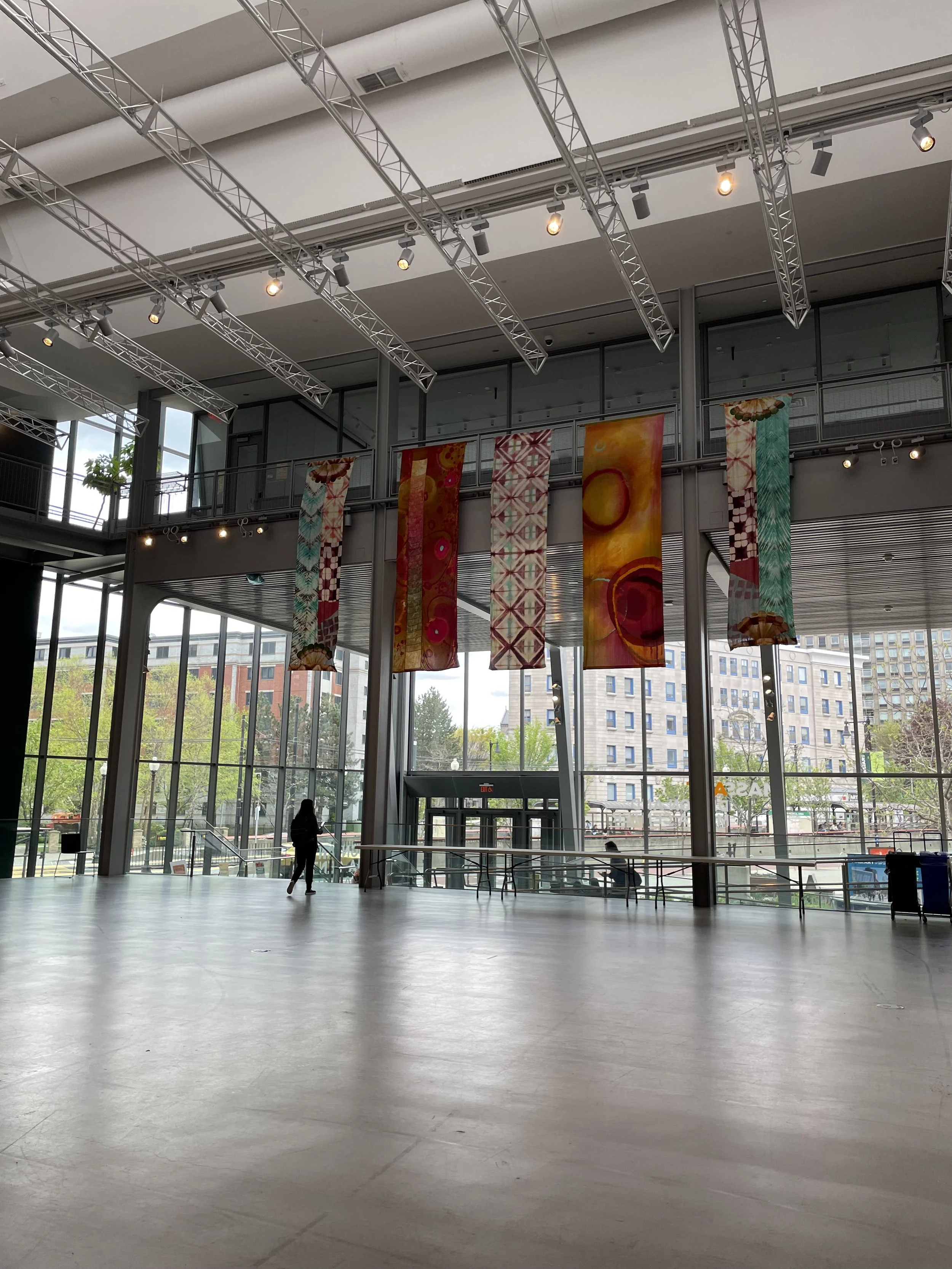
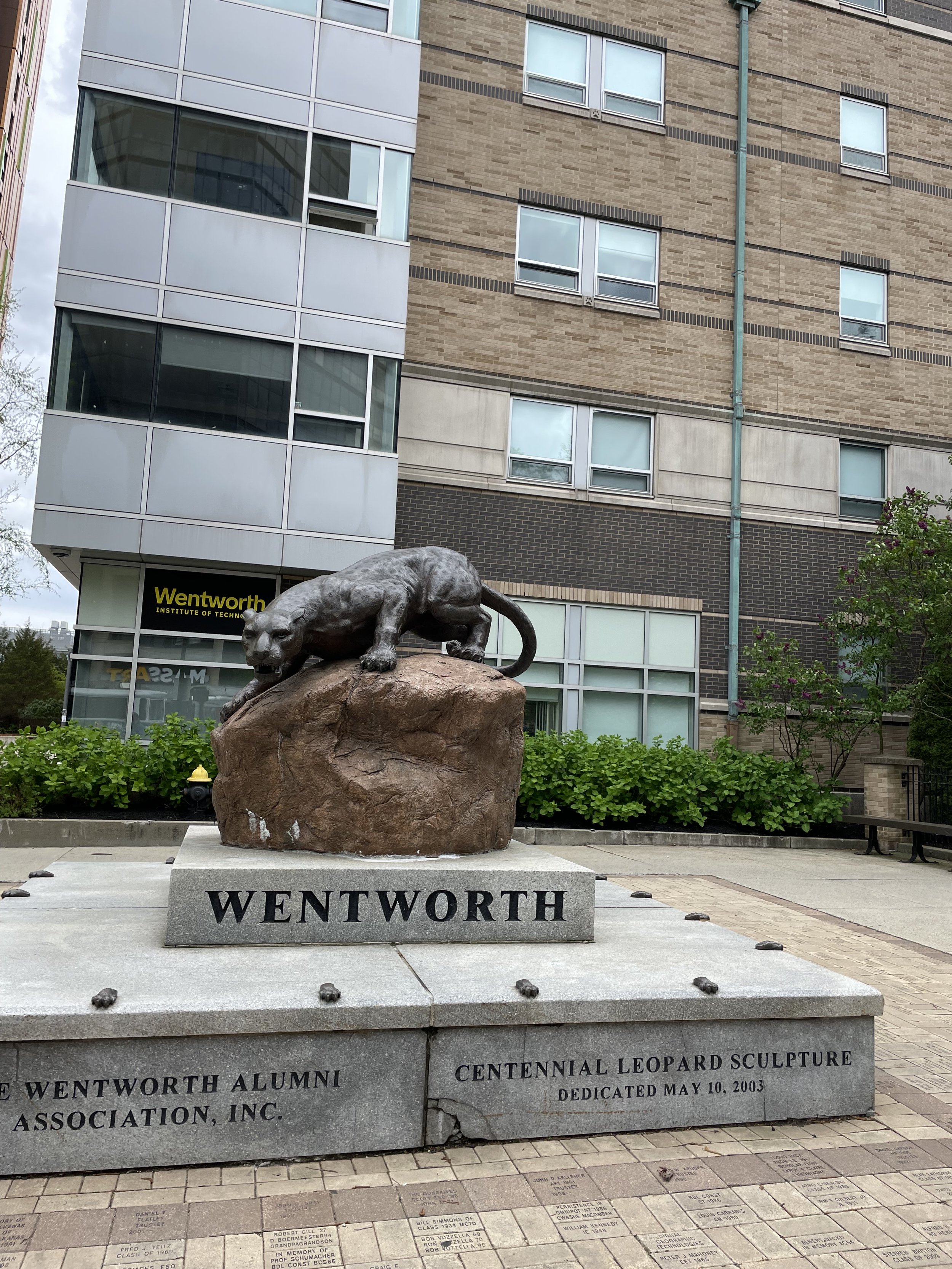
The Colleges of the Fenway is a consortium of five distinct institutions in Boston that collaborate to provide resources, experiences, academic opportunities, and more to students across all campuses. The Colleges of the Fenway include Emmanuel College, Simmons University, Massachusetts College of Pharmacy and Health Sciences (MCPHS), Massachusetts College of Art and Design (MassArt), and Wentworth Institution of Technology. Students who attend any of these five institutions are able to take classes, participate in extracurricular activities, and make use of facilities at any other institution within the consortium.


Emmanuel College

Emmanuel College is a small, Catholic, liberal arts college located a 10-minute walk from Fenway Stadium. It provides an intimate academic experience, with all classes taught by professors and capped at 35 students. Emmanuel offers programs in business, humanities, education, health sciences, and nursing. All students participate in an internship during their time at Emmanuel, which can help them build a resume, networking skills, and connections in their field that can support them in their career search upon graduation.


Simmons University

Simmons University is a women-focused liberal arts school that prioritizes marginalized genders and boasts an extremely inclusive community. Simmons has excellent support programs for LGBTQIA+ students, students struggling with mental health, and students with learning differences. Students at Simmons are very driven and career-focused, with the goal of college being to graduate and enter the workforce.


Massachusetts College of Pharmacy and Health Sciences

MCPHS is a healthcare-focused university that offers a wide range of articulation programs that allow students access to accelerated tracks to advanced degrees, including their most popular 6-year Pharm-D program. MCPHS’s location in Boston provides students with unmatched access to the vast number of hospitals and biotech companies in the area. Academics at MCPHS are focused on experiential learning, offering students hands-on experience throughout their collegiate career.


Massachusetts College of Art and Design

MassArt is the country’s only public art university. It offers a wide variety of BFA programs that center on studio work rather than traditional classes. Students engage in a first-year Studio Foundation program that allows them to explore mediums before declaring a specialty. Throughout their BFA program, students are able to take classes in other mediums of interest as well. MassArt is very committed to student success, and its career services extend to alumni as well as current students.


Wentworth Institute of Technology

Wentworth is a STEM-focused institution that prioritizes hands-on, project-based learning. All students participate in at least 2 semesters of paid co-op programs, where they are able to work in the field, gain experience, and network with professionals. While Wentworth has a large majority of male students, it is actively recruiting women and supports them on campus through several women-focused programs and organizations.

Understanding Medical School Traffic Rules

As you go through the medical school application process, it's important to be aware of the "traffic rules" governing how you handle acceptances from the Association of American Medical Colleges (AAMC) and American Association of Colleges of Osteopathic Medicine (AACOM). These rules ensure fairness for all applicants.

For AAMC schools:

February 22, 2024: The Choose Your Medical School Tool opens, allowing you to indicate your current preference, though this is non-binding.

April 15, 2024: Narrow your acceptances down to 3 schools max, withdrawing from any others. You can remain on waitlists.

April 30, 2024: Select one remaining school, indicating either:

  1. "Plan to Enroll" if you want to stay on other waitlists

  2. "Commit to Enroll" if this is your final choice - withdrawing you from all other schools

Key dates may vary slightly year-to-year, and individual schools can set earlier deadlines, so stay informed.

After initially receiving an acceptance, you can hold multiple acceptances until the April deadlines, continuing to interview and remaining on waitlists. However, you must narrow down promptly and withdraw from schools you won't attend to allow others a fair chance.

The AACOM traffic rules differ slightly, so review both sets of guidance. Managing acceptances properly demonstrates ethics and professionalism essential for future physicians. Follow the traffic rules closely as you finalize your medical school decision.

/*------------------*/